
Save Earth. Save Water. Save Trees. Save Life.
Turn this platform into a mass environmental awareness movement.
EcoSentryx is positioned as a public awareness campaign for saving the Earth, protecting water, restoring trees, defending ecosystems, and standing up for endangered animals. Verified planting records remain part of the platform, but the larger message is collective responsibility, climate education, and visible environmental action at scale.
Why this platform is bigger than a normal awareness page
EcoSentryx is designed to act like a public campaign hub rather than a simple landing page. The goal is not only to display environmental slogans but to create a structure through which people can read, understand, repeat, teach, and act on environmental responsibility in a consistent way. That means the platform has to speak to homes, schools, colleges, organizations, local campaigns, and community-led drives at the same time.
When environmental awareness stays too short, it becomes decorative. People may agree with it emotionally, but they do not always carry it into their daily behavior. That is why a stronger platform needs more explanation, more practical language, and more repeated examples that ordinary people can understand without needing technical training. A student, parent, volunteer, teacher, coordinator, or local organizer should all be able to open this page and quickly see what the mission means in practical life.
This approach also helps the campaign feel public and scalable. If the same message can travel through school boards, community talks, street campaigns, housing societies, campus drives, and online sharing, it becomes stronger each time it is repeated. The site therefore works best when it acts as both a reading resource and a campaign tool.
How people can use this overview in public campaigns
The overview tab should help people understand the full direction of the platform before they go deeper into specific causes. It tells them that this is not a single-issue campaign. It is a broad environmental responsibility movement covering water, trees, energy, ecosystems, Earth care, and endangered animals. That framing matters because many awareness efforts become fragmented. A stronger introduction shows how all these issues support one another.
Public speakers can use this section to open environmental assemblies. Schools can use it as a homepage for climate clubs. Community organizers can use it to frame neighborhood drives. Students can use it as a reference before preparing posters, public speeches, or awareness pledges. Even social-media campaigns become clearer when the campaign has a strong overview that explains why the movement exists and what kind of public behavior it wants to normalize.
The overview should therefore remain large, readable, and serious. It has to carry enough message strength that people immediately feel that the platform stands for visible action, collective responsibility, and repeated public environmental care.
Mass Awareness Priorities
What This Mission Stands For
Save Earth
Promote public responsibility for climate, land, and future generations.
Save Water
Reduce waste, protect rivers and groundwater, and treat water as a shared survival resource.
Save Trees
Encourage planting, protection of forests, and recovery of green cover in damaged spaces.
Save Ecosystems
Defend biodiversity, soil, pollinators, and the natural balance that keeps life stable.
Save Endangered Animals
Build awareness that habitat loss, pollution, and climate stress push species toward extinction.
Save the Future
Turn awareness into verified action so environmental care becomes visible, trusted, and repeatable.
Mission meaning in clear public language
The mission tab should not feel like a slogan shelf. It should explain what the campaign stands for in a way that people can immediately carry into classrooms, family discussions, social posts, and public speeches. Environmental responsibility is often weakened when it is split into too many isolated issues without a larger explanation. The mission section solves that by showing that climate responsibility, water discipline, tree protection, ecosystem care, and wildlife respect belong to one public ethic.
That public ethic is simple: shared resources must be treated as shared responsibility. Water cannot be wasted carelessly. Trees cannot be treated as optional decoration. Pollution cannot be dismissed as someone else’s problem. Endangered species cannot be discussed with sympathy while habitats continue to be damaged. The mission becomes powerful when people understand that the platform is trying to normalize responsibility, not merely inspire emotion for a short time.
In practical terms, the mission tab can function like a public declaration of values. It gives structure to every later section of the platform. Once users understand these values, the awareness library, campaign forms, and action routes all make more sense because they are clearly connected to a larger civic purpose.
How mission-based campaigns become stronger over time
Strong campaigns do not survive on aesthetics alone. They survive because the message remains coherent when it moves across different spaces. A student campaign in one school, a neighborhood water-saving drive, a plantation event, a wildlife awareness poster, and an institutional environmental pledge should all still feel like parts of the same mission. That coherence is what helps a campaign grow instead of scatter.
This is also why the mission section needs enough words and enough weight. It has to carry the logic behind the movement. People should be able to read it and understand not only what the campaign supports, but why it supports it, what kind of behavior it expects, and what kind of public culture it wants to build. The message should remain useful for speeches, notice boards, event scripts, opening remarks, and campaign reports.
If the mission is strong, then every later action becomes easier to justify. The platform is not asking people to perform random environmental acts. It is asking them to participate in a visible public standard of care that can be repeated and strengthened across time.
Awareness Library
Read, Share, and Teach the Mission
Campaign Slogan
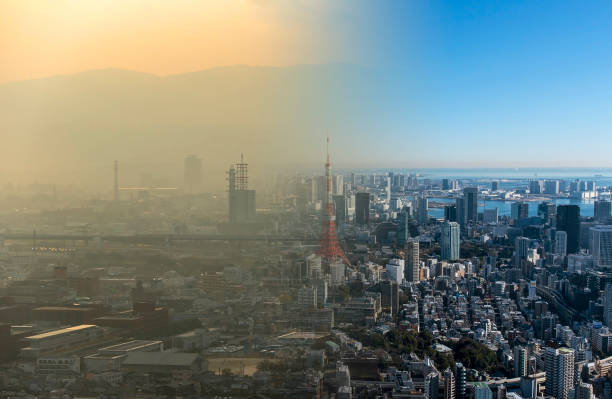
Save energy today so the air, climate, and future do not pay tomorrow.
Energy waste looks invisible at home, but at mass scale it turns into pollution, carbon pressure, and avoidable environmental damage.
Switch it off.
Use only what you need.
Discipline is climate action.
Why saving energy matters
Saving energy is not only about lowering an electricity bill. It is about reducing pressure on fuel, reducing pollution from power generation, and slowing the chain of damage that spreads from wasteful consumption into air quality, climate stress, and resource loss. When millions of people waste energy through unnecessary cooling, lighting, charging, and appliance use, the environmental damage scales fast.
Mass awareness should keep this simple: use what is needed, stop what is wasted, and treat every unit of electricity as something that came from land, fuel, water, infrastructure, and environmental cost. Switching off unused lights, choosing efficient appliances, improving ventilation, and avoiding careless usage are small actions individually, but they become powerful when repeated across homes, schools, offices, and public spaces.
How to spread the energy message
Awareness campaigns should connect energy saving to daily routines people already control. Tell students to switch off classroom fans and lights after use. Tell families to avoid keeping televisions, chargers, and room cooling systems running without purpose. Tell workplaces that energy discipline is not only a cost decision but a public responsibility decision.
Good public messaging also avoids abstract language. Instead of saying only "save electricity," explain that wasting electricity increases pollution, increases carbon pressure, and increases the hidden damage attached to comfort-based overuse. Repetition matters: posters, assemblies, community talks, and social campaigns should keep energy saving visible until it becomes normal behavior.
How people can reduce waste in daily energy use
Energy awareness becomes effective only when people can connect it to daily routines. These examples help explain what responsible use looks like in homes, classrooms, public buildings, and farms.
At home
Switch off unused lights and fans, unplug idle chargers, use daylight where possible, and avoid running appliances longer than necessary.
At school or college
Assign room checks after class, avoid empty-room lighting, keep computer labs under power discipline, and display reminder boards near switches.
In neighborhoods
Promote efficient lighting in streets and buildings, encourage public spaces to avoid wasteful daytime lighting, and make energy savings part of community drives.
In farms and workspaces
Run pumps and motors only when needed, maintain equipment for efficiency, and reduce unnecessary load during peak heat and peak demand periods.
Public lines people can reuse
Simple, repeated energy messages help the topic travel beyond one lesson or event. Use these in posters, assemblies, captions, and awareness boards.
Energy awareness for real public behavior
Many campaigns fail because they explain energy only as a bill problem. That is too narrow. People need to understand that wasteful electricity use is tied to fuel extraction, air pollution, heat, carbon pressure, and infrastructure stress. When communities begin to see that a room left glowing without purpose has environmental cost behind it, discipline becomes easier to justify and repeat.
Good awareness work therefore connects energy saving with dignity, responsibility, and visible habits. A switched-off classroom, a carefully used cooling system, and a building that avoids daytime light waste all become examples that others can copy. The topic becomes stronger when people can point to behavior, not only slogans.
How to explain this topic in campaigns
Tell people that saving energy is not about living without comfort. It is about using comfort intelligently. Use examples they already know: fans running in empty rooms, chargers left connected, televisions running without viewers, pumps used carelessly, and office lighting left on by habit. Those examples make the message practical.
For public speaking, repeat that one wasted unit is never only one unit. It carries hidden extraction, hidden pollution, and hidden pressure. That framing helps students, families, and institutions understand that energy discipline is environmental leadership in daily life.

Campaign Slogan
Save water because every drop wasted returns as future scarcity.
Water security is not a crisis-only topic. It is a daily responsibility tied to health, farming, dignity, and survival.
Every drop matters.
Protect rivers and groundwater.
Waste today becomes drought tomorrow.
Why saving water matters
Water is the most basic survival resource in public life, yet people often waste it because it appears available in the moment. Rivers, groundwater, local supply systems, and rainfall cycles are not endless. Wasting clean water while many communities face scarcity is both an environmental problem and a social justice problem. Awareness around water should always remind people that every litre wasted today weakens resilience tomorrow.
Saving water means fixing leaks, reducing careless tap use, avoiding over-washing, protecting lakes and rivers from dumping, and preventing pollution that turns available water unsafe. It also means changing the public attitude that conservation matters only during crisis. Responsible communities treat water as precious all year, not just when shortages begin making headlines.
How to spread the water message
Water awareness works best when it is practical. Show people how much water is lost through leaking taps, long showers, careless cleaning, and polluted drains. Connect the message to health, farming, household survival, and future drought risk. People understand conservation better when they see that protecting water means protecting family stability, food systems, and public health at the same time.
In campaigns, repeat strong lines like: clean water is not guaranteed, safe water is not free, and wasted water returns as scarcity. That language helps move the topic out of routine background noise and into a serious public responsibility frame.
How people can actually save water every day
People understand water better when the advice is concrete. Use these points in classrooms, homes, housing societies, villages, offices, and campaigns so the message becomes practical instead of decorative.
At home
Repair leaking taps, use buckets where possible, turn off the tap while brushing or soaping, reuse safe leftover water for cleaning, and avoid washing vehicles with running water.
At school or college
Check washrooms for leaks, assign student monitors, place clear reminder boards near taps, stop water wastage during cleaning, and report broken pipes immediately.
In neighborhoods
Protect ponds, local drains, riversides, and public taps. Stop litter and chemical dumping, support rainwater harvesting, and make clean-water protection part of local meetings.
In farming and gardens
Water plants at better times of day, prevent overflow, use mulching where possible, and treat groundwater like a limited reserve rather than an unlimited supply.
What to tell people directly
Tell people that saving water is not only about money. It is about survival, food security, public health, and future stability. If communities waste clean water now, they will pay later through shortages, heat stress, crop pressure, and damaged ecosystems.
Why water education must be larger and clearer
Water awareness often stays too small because it is taught as a simple instruction rather than as a survival system. People must understand the full chain: rainfall, storage, rivers, groundwater, farming, household access, sanitation, health, and future scarcity are connected. Once the chain is visible, wasting water no longer feels like a small private action. It becomes a public risk.
That is why water communication should be repeated in homes, schools, public taps, neighborhoods, and agricultural spaces. Every visible reminder, every repaired leak, and every local protection effort gives the topic more seriousness. People remember water best when they see that saving it protects life, not only utility supply.
What makes water campaigns more effective
Use exact habits people can recognize: taps left running while washing, over-cleaning with fresh water, unreported leaks, open dumping into drains, polluted lakes, and careless irrigation. Then connect them to visible consequences such as shortage, disease, dirty supply, crop loss, and stress on women and families who carry more of the burden in many communities.
Strong campaigns also sound direct. Say that clean water is limited, safe water can be lost, and wasted water returns as hardship. That language helps the message stay strong in posters, rallies, class talks, and social sharing.

Campaign Slogan
Save trees because shade, soil, rain, and life all stand under them.
Tree protection is not decoration work. It is temperature control, biodiversity support, soil protection, and urban survival.
Protect old trees first.
Plant with responsibility.
Survival matters more than ceremonies.
Why saving trees matters
Trees cool cities, protect soil, support rainfall patterns, hold biodiversity, and reduce the harshness of heat. A place without trees becomes hotter, harsher, less stable, and less healthy. Public awareness should make that visible. Trees are not decoration. They are part of how neighborhoods stay livable.
Saving trees means protecting existing trees first, because mature trees carry far more ecological value than newly planted saplings. It also means planting wisely, using species that can survive, and committing to long-term care instead of short-term photo events. Good campaigns should say clearly that survival is more important than ceremonial planting numbers.
How to spread the tree message
The strongest message is simple: a tree is public protection. It gives shade, cleaner air, habitat, and resilience against urban heat. Awareness campaigns should challenge people to stop treating trees as optional or replaceable. Schools, residents, and local groups can adopt nearby trees, report damage, support watering, and push for protection in areas facing careless cutting.
The public should also hear that planting is only the beginning. Real commitment means checking survival, supporting growth, and protecting the green spaces that keep communities healthier.
How people can protect and grow trees in real life
Tree campaigns should not stop at slogans or one-day events. These practical actions help turn planting into survival, care, and long-term green protection.
At home
Care for nearby saplings, avoid damaging roots during construction, use leftover safe water for plants, and support shade trees around homes.
At school or college
Create adoption lists for planted trees, track survival every month, stop bark damage, and use environmental clubs for regular care instead of photo-only events.
In neighborhoods
Protect old trees from careless cutting, report damage quickly, demand replanting after removals, and make local green cover a public issue.
In farms and open land
Protect boundary trees, prevent unnecessary burning near roots, plant species that suit the region, and support soil moisture around young plants.
Public lines people can reuse
Tree awareness grows faster when people can repeat short, strong lines in public spaces, campaigns, and social sharing.
Why tree messaging should go beyond plantation events
Tree campaigns often become ceremonial because counting planted saplings is easier than tracking survival. That weakens the message. A serious tree movement teaches that existing mature trees hold enormous ecological value, that new saplings require care, and that shade, moisture, habitat, and public health all depend on long-term protection.
When communities understand that trees cool roads, soften cities, protect soil, and improve mental and physical conditions in public places, the cause becomes stronger. A planted tree is then no longer a photo opportunity. It becomes a living responsibility.
How to teach tree care as public duty
Use examples from ordinary life: broken guards around saplings, bark damage, construction near roots, cutting without replacement, and empty roadside spaces that could have been shaded. These examples help people see neglect more clearly. Public awareness becomes effective when people can identify damage and act on it.
Say clearly that tree work is not only about planting more. It is about protecting what already survives, choosing sensible species, watering responsibly, and defending green cover when urban pressure pushes against it. That message is more honest and far more useful.

Campaign Slogan
Save ecosystems because nothing in nature survives alone.
Soil, rivers, insects, pollinators, wetlands, forests, and species work as connected systems, not separate topics.
Everything is connected.
Damage spreads quietly.
Protection must be holistic.
Why saving ecosystems matters
Ecosystems hold everything together. Soil, insects, pollinators, plants, wetlands, forests, rivers, and animals do not function as isolated pieces. They support one another. When one part is weakened by waste, pollution, overbuilding, or careless extraction, the damage spreads. Awareness programs should explain that ecosystem loss is not distant science. It becomes weaker farming, worse floods, unstable climates, lost biodiversity, and damaged local health.
Protecting ecosystems means respecting natural balance rather than forcing every landscape into short-term economic use. It means preventing dumping, reducing plastic leakage, avoiding habitat destruction, and protecting wetlands, grasslands, riversides, forests, and coastal systems that often disappear quietly.
How to spread the ecosystem message
Ecosystem awareness should help people see connections. Dirty drains lead to river damage. River damage affects farming and fish life. Tree loss increases heat and harms birds and insects. Pesticide misuse harms pollinators and food production. Once people understand the chain, they stop thinking of these as separate issues.
Campaign messaging should therefore avoid fragmentation. Say clearly that saving ecosystems means saving the natural systems that keep human life stable. That is a stronger message than treating biodiversity as a side topic.
How people can support natural balance in daily life
Ecosystem care becomes easier to understand when people see how ordinary actions affect soil, water, insects, wetlands, forests, and food chains together.
At home
Reduce waste dumping, avoid chemical-heavy habits where possible, separate trash, and stop sending plastics into open drains and open land.
At school or college
Teach linked systems instead of isolated topics, use garden areas as learning spaces, and show how waste, water, insects, and plants affect each other.
In neighborhoods
Protect wetlands, ponds, green strips, riversides, and public soil from dumping, overbuilding, and neglect. Small local ecosystems matter.
In farms and fields
Protect soil health, reduce damaging runoff, think about pollinators and water flow, and avoid practices that destroy the balance of nearby habitats.
Public lines people can reuse
These lines help explain that ecosystems are living systems people depend on, not background scenery.
Why ecosystems need broader public explanation
Ecosystems are easy for people to ignore because they are often invisible until they break. Soil health, insect life, wetlands, drainage, pollination, biodiversity, and habitat quality do not always demand attention loudly. But once they weaken, floods worsen, food systems become unstable, and environmental stress reaches human life quickly.
That is why awareness should avoid separating everything into isolated lessons. Water, trees, wildlife, soil, farming, and waste must be taught together. The public needs to hear that the natural world survives through connected systems, not independent fragments.
How to make ecosystems understandable
Use visible chains: litter enters drains, drains affect rivers, rivers affect farms, farms affect food and health. Tree loss affects heat, insects, bird life, and local water balance. Wetland damage affects flood behavior. These chains make the topic concrete and help people stop seeing ecosystems as abstract science.
In campaigns, repeat that protecting ecosystems is another way of protecting stable human life. That sentence helps move the topic from background theory into civic responsibility.
Campaign Slogan
Save endangered animals before silence replaces living diversity.
Wildlife decline is a warning that habitats are failing, pressure is rising, and public care is falling behind.
Protect habitats.
Reject cruelty and poaching.
Extinction is permanent.
Why saving endangered animals matters
Endangered animals are warning signals. Species move toward extinction when habitats collapse, pollution spreads, food chains break, poaching continues, or climate conditions become too unstable. Public awareness should make people understand that extinction is not only about losing an animal from a poster. It means losing part of the living balance that supports ecosystems.
Saving endangered animals requires habitat protection, stronger enforcement, reduced pollution, less destructive land use, and a public culture that rejects cruelty and illegal wildlife trade. Awareness is vital because species disappear fastest when people think the problem belongs only to forest departments, scientists, or conservation groups.
How to spread the animal protection message
Good awareness campaigns humanize responsibility without turning wildlife into entertainment. Tell people that protecting animals means protecting forests, wetlands, rivers, breeding grounds, and migration routes. Explain that every destroyed habitat pushes more species toward stress, conflict, and decline.
Strong campaigns also reject silence. Schools and communities should talk openly about poaching, habitat loss, cruelty, and pollution, because endangered animals cannot protect themselves from human expansion without public pressure and public care.
How people can help protect wildlife and endangered animals
Wildlife awareness should move beyond sympathy into habits that reduce harm, protect habitats, and build public respect for living species.
At home
Do not support cruelty, illegal wildlife products, or entertainment based on animal suffering. Teach children that animals are part of natural balance.
At school or college
Run wildlife awareness sessions, connect species loss to habitat damage, and explain that extinction is permanent, not temporary.
In neighborhoods
Protect local habitats, reduce litter and noise damage near green zones, and report poaching, trapping, or habitat destruction when visible.
In farms and rural areas
Balance land use with habitat needs, protect water sources used by animals, and avoid harmful practices that destroy nesting and movement routes.
Public lines people can reuse
Strong wildlife messaging helps people understand that protecting animals also means protecting habitats, land, and the future of ecosystems.
Why endangered-animal awareness needs stronger public language
People often respond emotionally to animals but still fail to understand the systems that keep those species alive. Wildlife protection is not only about sympathy. It is about habitat, clean water, breeding grounds, migration routes, food chains, and the pressure created by pollution, land use, and extraction. Once those connections are explained, the issue becomes more serious.
Public campaigns should therefore frame endangered animals as ecological warning signals. When species begin disappearing, the damage has usually already spread through land, water, and habitat. That framing helps people see why the issue matters to everyone, not only conservation professionals.
How to speak about wildlife responsibly
Do not reduce animals to decorative symbols. Speak about habitat loss, illegal trade, cruelty, shrinking space, and the permanent nature of extinction. Show that protecting species also means protecting wetlands, forests, rivers, and open movement corridors. This keeps the message grounded in reality.
In schools and public events, simple language works best: if we destroy where animals live, we help destroy the species themselves. That line is direct, memorable, and hard to ignore.
Campaign Slogan
Save Earth by making environmental care public, visible, and non-negotiable.
Earth care becomes real when people stop treating it as optional and start repeating it as daily civic behavior.
One planet.
Shared responsibility.
Visible action at scale.
Why saving Earth matters
Saving Earth is the umbrella message that ties every other cause together. Air, water, land, food systems, forests, species, and climate all connect back to one shared question: are people willing to treat the planet as something to protect rather than something to exhaust? Mass awareness should answer that with action, not slogans alone.
Earth-focused awareness means reducing waste, rejecting careless pollution, protecting natural resources, supporting restoration, and building a culture in which responsibility is expected. The public message should stay direct: if we damage the systems that support life, we damage our own future first.
How to build a real movement
A real movement needs repetition, clarity, and visible participation. People must hear the message in classrooms, homes, local events, social campaigns, and community spaces. They also need examples they can copy: save energy, save water, protect trees, reduce pollution, protect habitats, and document action.
This is where the platform becomes useful. It can hold evidence, stories, and participation records, but the larger purpose is to keep the environmental message alive in public life until care for the Earth feels normal, expected, and non-negotiable.
How people can turn environmental concern into daily practice
Saving Earth is the broadest message, so people need direct guidance they can repeat across home life, education, neighborhoods, and land-based work.
At home
Reduce waste, save water and energy, avoid careless pollution, support greenery, and make environmental responsibility part of routine family behavior.
At school or college
Link climate, water, trees, waste, and biodiversity into one message, and convert awareness into repeated actions through clubs, boards, and weekly programs.
In neighborhoods
Organize visible public drives, protect shared resources, reduce dumping, and keep environmental care active in local conversations and public spaces.
In farms and workplaces
Use land and resources carefully, avoid wasteful extraction, protect soil and water, and treat sustainability as a working responsibility rather than a slogan.
Public lines people can reuse
These simple lines help people carry the Earth message into speeches, posters, social media, and awareness events.
Why the Earth message should feel bigger than a slogan
The idea of saving Earth is powerful, but it becomes weak when presented only as a moral line without practical meaning. People need to see that the Earth message is the umbrella over all the others: water, air, trees, biodiversity, pollution, land care, and climate stability are part of the same responsibility. When that structure is clear, the campaign feels larger and more coherent.
That is also why public awareness must feel visible. Posters, assemblies, drives, and digital campaigns should show that Earth care is not occasional emotion. It is repeated civic discipline. The more visible the behavior, the stronger the movement becomes.
How to use the Earth message in public campaigns
Speak in terms people can carry forward: protect shared resources, reduce waste, stop careless pollution, defend life systems, and make responsibility normal. This gives the Earth message structure and turns a broad cause into repeatable action.
For events, use the Earth theme as the unifying voice: energy saving, water protection, tree care, ecosystem balance, and animal protection are not separate campaigns competing for attention. They are one public mission seen through different doors.
Campaign Toolkit
How to Use This in Public
Public Mission Form
Submit Environmental Participation
What This Form Does
Submit a normal public mission record with your environmental details and campaign participation information.
Submission Note
Use this form to record public awareness participation, planting effort, and local environmental action details.
Mission Submission Routes
Choose the Right Participation Form
Individual
Use this page for a single person joining the mission with their own environmental action details, location, and awareness pledge.
- Personal identity and contact fields
- Country, state, city, and postal code
- Occupation, age group, and activity type
Institution
Use this page when a school, college, NGO, office, or community group is submitting a campaign, event, or public participation record.
- Institution and coordinator details
- Participant counts and campaign summary
- Organization type and public outreach fields
Why the platform uses separate participation routes
Environmental participation does not always look the same. A single person joining the mission has very different needs from a school, college, NGO, office, or community organization running a wider campaign. If both are pushed into one generic form, the record becomes weaker, the meaning becomes less clear, and the submission process feels less serious. Separate routes solve that by allowing individuals and institutions to describe their role with the right level of detail.
The individual route is useful when one participant wants to document their own awareness work, local engagement, or environmental promise. The institution route is stronger when a larger body needs to report a coordinated campaign, public event, awareness program, or group action. Keeping the routes separate also helps the platform look more organized and more trustworthy. People can immediately see that the site understands the difference between personal participation and structured collective outreach.
That separation matters in educational settings as well. Teachers can direct students to the individual route, while school administrators or coordinators can use the institution route for broader campus-level participation. The same logic works for NGOs, resident groups, offices, and public campaign organizers.
How submission supports the larger awareness movement
The submission area is not only a technical form section. It is part of the public-awareness architecture of the platform. When people submit participation, they are doing more than sending data. They are helping turn environmental care into something visible, structured, and repeatable. That visibility is important because campaigns grow faster when people can see that others are also participating with intent and seriousness.
A good submission system should therefore feel like entry into a shared movement rather than a cold data capture step. It should tell users that their role matters, that organized records help build momentum, and that public environmental responsibility becomes more credible when action can be described clearly. This is why the route cards include explanation instead of acting like bare navigation buttons. The text helps users understand where they belong and why that route exists.
Over time, such a structure can support schools, campaigns, neighborhood groups, and individuals who want their work to be part of a larger mission narrative. The form is then no longer just a form. It becomes the entry point into a visible environmental participation network.
Global Reality Dashboard
Environmental Pressure Backed by Public Data
Combined ambient and household air pollution deaths each year.
People still living without safely managed drinking water.
People still without safely managed sanitation.
Species currently threatened with extinction on the IUCN Red List.
Tonnes of plastic produced each year globally.
Estimated annual deforestation rate in 2015-2020.
Food wasted globally in 2022 across households, food service, and retail.
People still lacking basic handwashing facilities with soap and water at home.
Global Environmental Stress Indicators
Public data snapshot from WHO, UN-Water, UNEP, FAO, and IUCN.
Deforestation and Basic Service Gaps
Comparing forest loss rates and current global water, sanitation, and hygiene gaps.
Global Eco Quiz Challenge
Take the timed awareness exam on a dedicated page.
Eco Quiz
Open the dedicated quiz page to fill participant details, complete the timed environmental exam, and request your certificate from one focused screen.
- Separate full-page quiz experience
- Participant details and exam on the same page
- Timer, deadline, participant count, and certificate popup
Quiz Flow
Participants enter their real email, date of birth, phone number, country, city, and supporting details before starting the timed exam. After submission, the certificate delivery message appears automatically.
- Real email prompt before the exam starts
- Timed 10-question environmental awareness test
- Submission saved for certificate processing
Global Eco Quiz Challenge
Join the awareness quiz, beat the timer, and earn your certificate.
The timer starts as soon as the quiz begins.
Registration closes on the final campaign date.
Live count of people who entered the quiz mission.
Certificates are prepared after successful submission.
The active timed quiz now runs on its own dedicated page so the participant details and the exam stay on one clean screen without the cramped split layout.